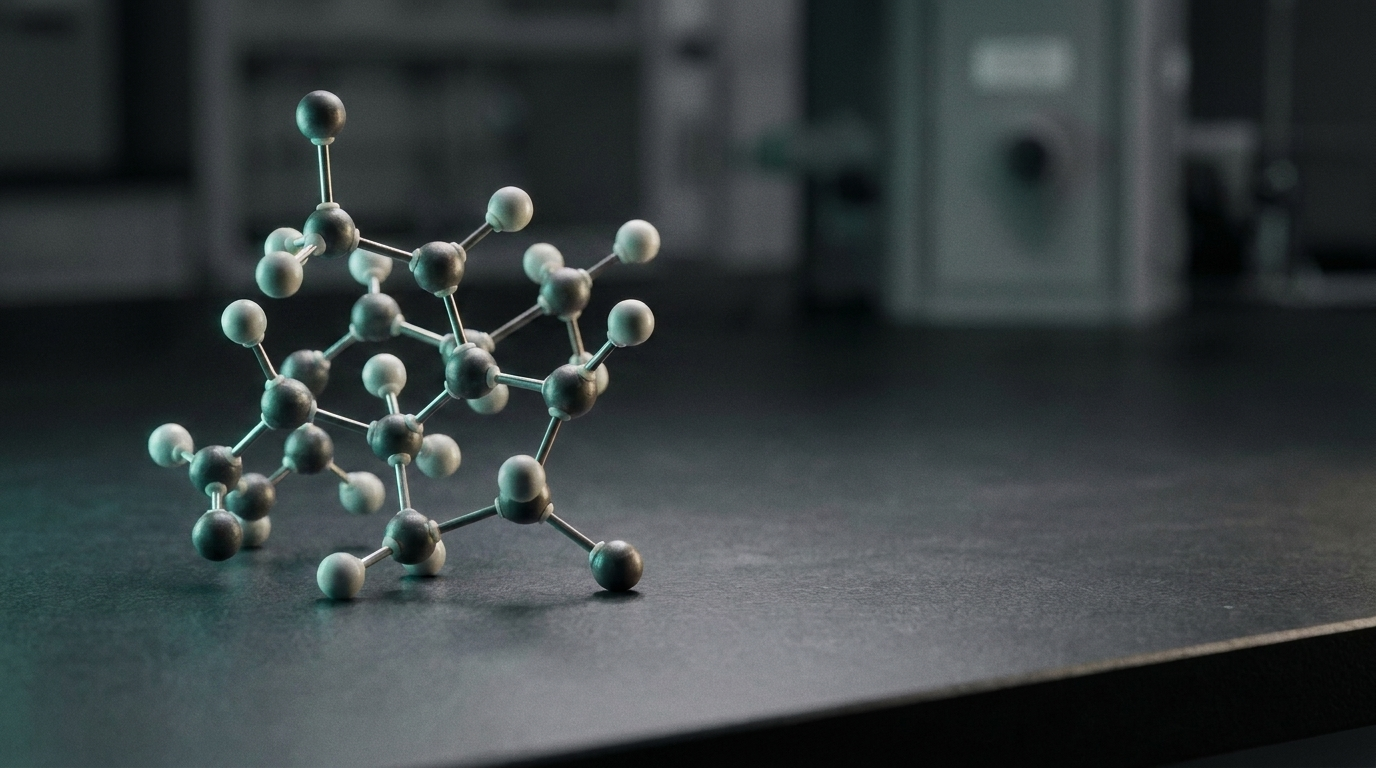


Peptides are short chains of amino acids joined by peptide bonds. Where a single protein can fold from hundreds or thousands of residues, a peptide is typically defined as a chain of roughly 2 to 50 amino acids. That smaller size is precisely what makes peptides useful subjects in the laboratory: they are long enough to carry biological information, yet short enough to synthesize, purify, and characterize with a high degree of control.
In a research context, "research peptides" refers to lab-synthesized compounds supplied strictly for in vitro study, analytical work, and controlled experimentation — not for human or veterinary use. Investigators study them to understand how a given sequence interacts with receptors, enzymes, or signaling pathways, and how small changes to that sequence alter behavior.
Two properties drive most of this interest. The first is specificity: a peptide's sequence determines its three-dimensional shape, and that shape governs which molecular targets it can bind. The second is modifiability: because peptides are built residue by residue, researchers can substitute a single amino acid, cap an end, or add a chemical group to probe structure-activity relationships.
Quality matters as much as sequence. A research-grade peptide is defined not only by its intended structure but by verified identity and purity — confirmed through analytical methods such as high-performance liquid chromatography and mass spectrometry. Without that verification, experimental results cannot be trusted, because impurities or truncated sequences can confound the data.
Understanding peptides at this foundational level makes the rest of the field far easier to follow: the analytical techniques, the handling requirements, and the individual compounds all trace back to these same principles of sequence, structure, and purity.