
Peptide integrity is not permanent. It is the product of storage conditions, and understanding the forces that degrade peptides is the first step to preserving them.
Three factors do most of the damage. Temperature accelerates chemical reactions, so warmth shortens shelf life; cold storage slows degradation. Moisture enables hydrolysis and microbial growth, which is exactly why peptides are freeze-dried in the first place. Repeated freeze-thaw cycles are a subtler threat: each cycle stresses the molecule, and cumulative cycling can degrade a peptide even when each individual step seems harmless.
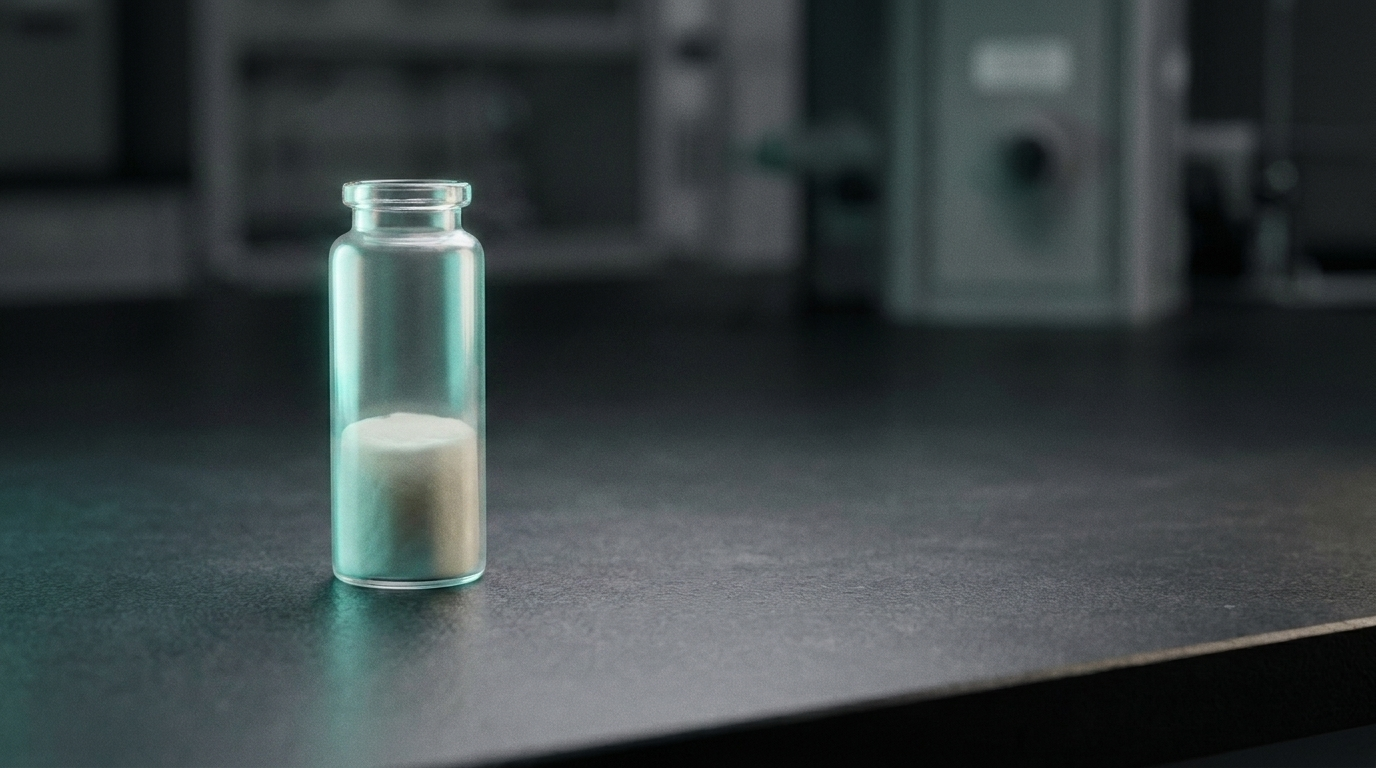
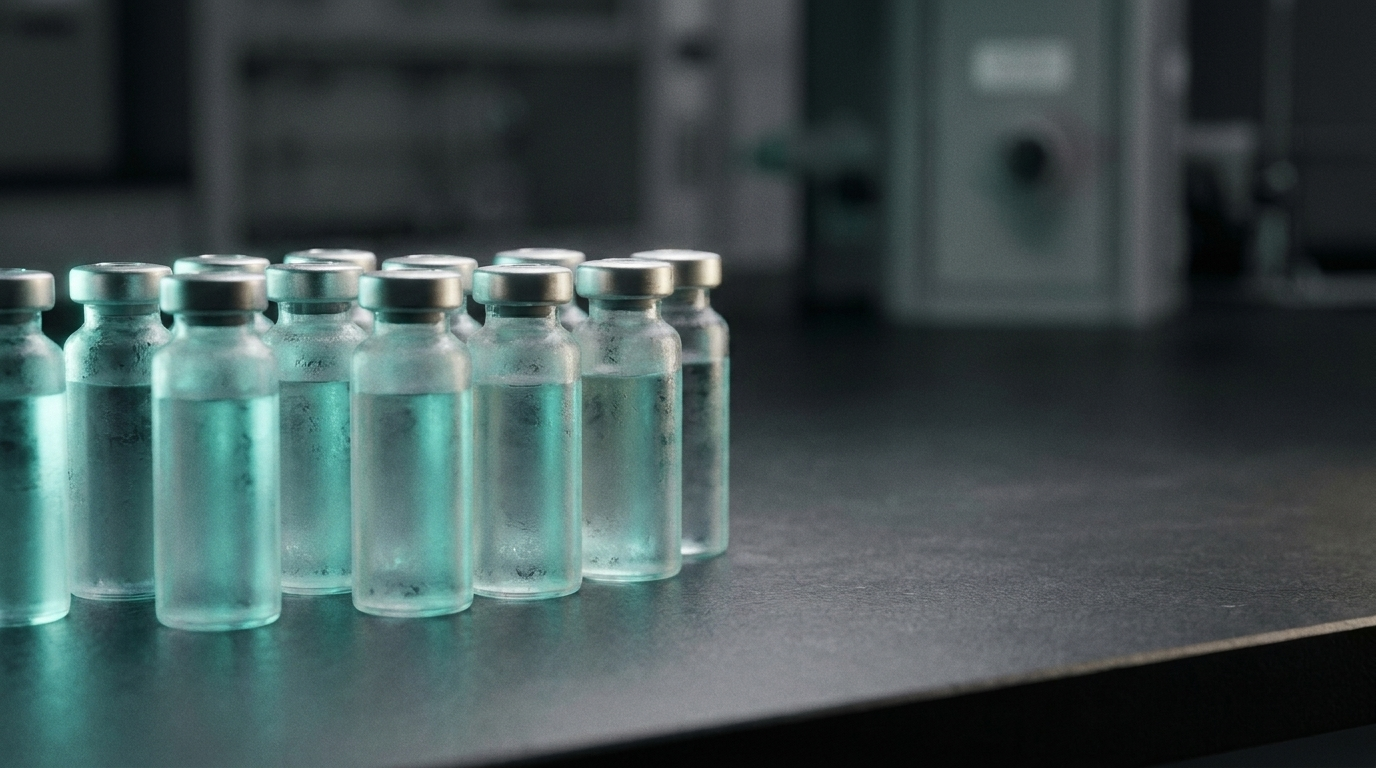
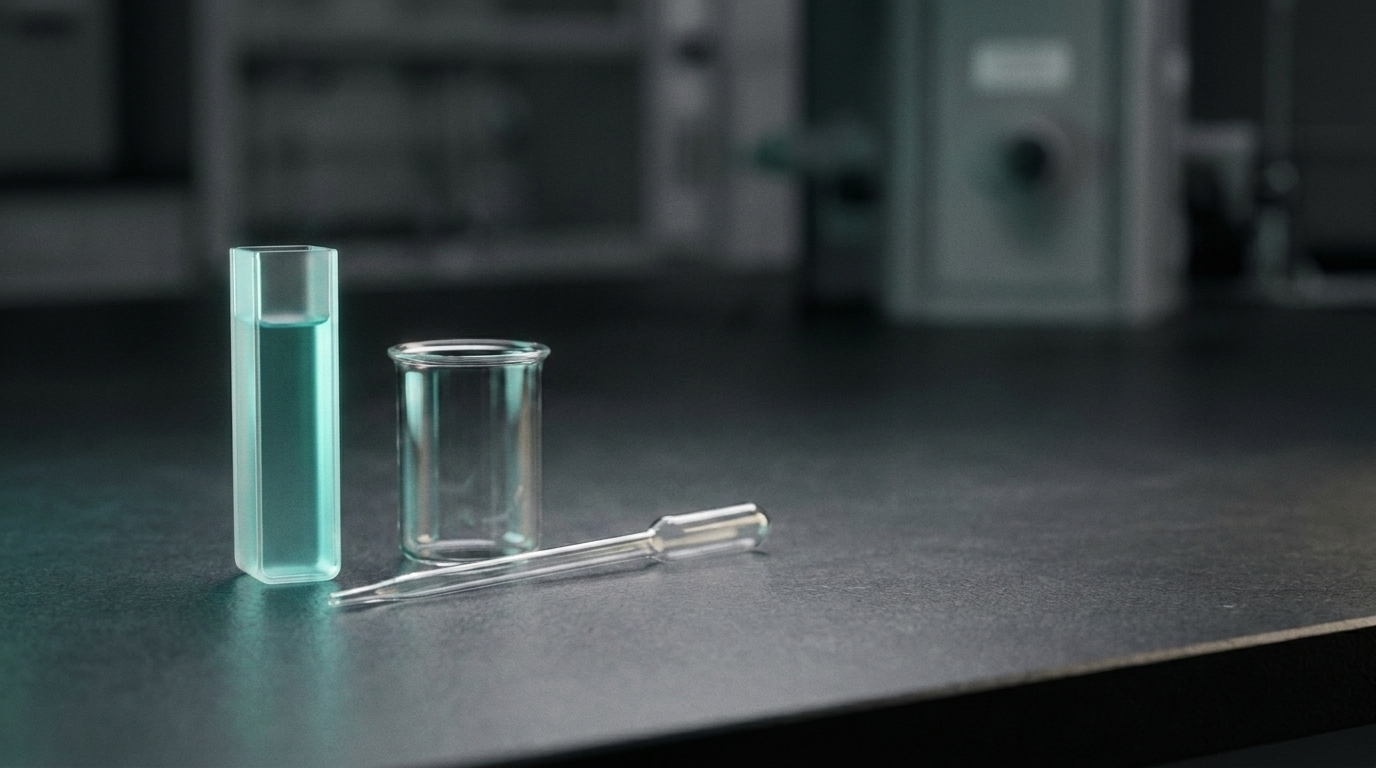
The practical implications follow directly. Lyophilized peptides are the most stable form and tolerate storage best; kept cold, dry, and sealed, many remain viable for extended periods. Once reconstituted, a peptide becomes far more vulnerable and should be treated as a short-term material. Where longer storage of a solution is unavoidable, dividing it into single-use aliquots before freezing avoids repeated thawing of the entire stock — you thaw only what you need.
Light and air are secondary considerations, since some sequences are sensitive to oxidation. Amber vials, minimal air exposure, and tightly sealed containers all help.
The underlying principle is straightforward: degradation is driven by heat, water, oxygen, and mechanical stress, so good storage systematically removes each of those. A peptide that arrives verified and pure stays that way only if the conditions that verified it are maintained through to the point of use.