
GHK-Cu is one of the more extensively studied short peptides, and it is a useful case study in how sequence and chemistry combine to make a compound interesting to researchers.
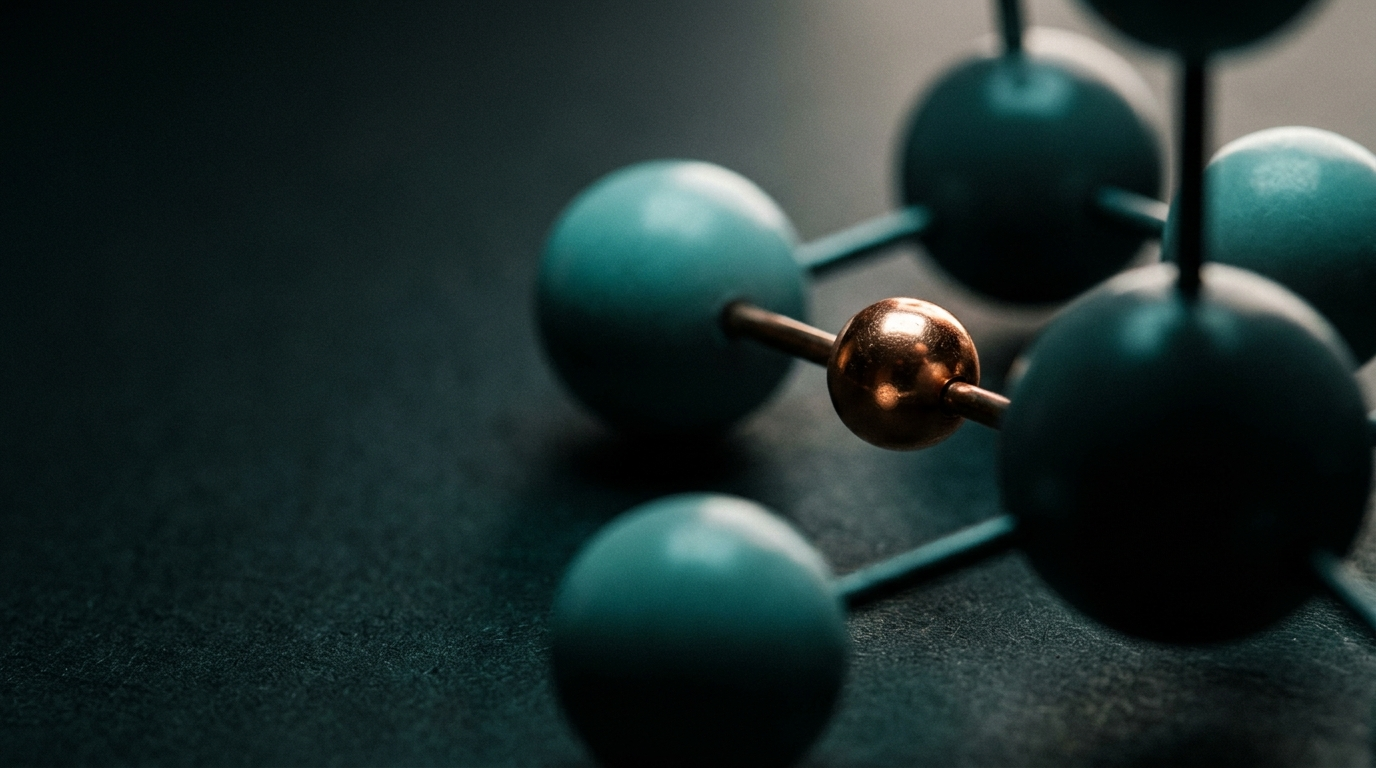
Structurally, GHK is a tripeptide — three amino acids, glycine-histidine-lysine — and the "Cu" denotes its natural affinity for copper ions. GHK binds copper to form a copper-peptide complex, and this metal-binding property is central to why it draws research attention. The peptide was first identified in human plasma decades ago, and interest grew from the observation that its abundance appeared to change with age.
In the research literature, GHK-Cu is studied primarily in vitro — in cell cultures and controlled biochemical systems. Investigators have used these models to examine how the copper-peptide complex interacts with cellular processes and gene expression, and it has become a frequent subject in studies of skin cell biology and tissue models. Its combination of a well-defined small structure and a specific metal-binding function makes it tractable for the kind of controlled, mechanism-focused work that in vitro systems do well.
It is worth being precise about scope. The body of GHK-Cu research is largely laboratory-based, and findings from cell and tissue models describe what happens under those specific controlled conditions. GHK-Cu is supplied strictly as a research compound for such in vitro and analytical study — not for human or veterinary use.
As a subject, GHK-Cu illustrates a broader theme in peptide research: a very small, well-characterized molecule can support a surprisingly deep experimental literature.